Amal Khalil and the Lie We Keep Repeating
- reignitedtheseries
- Apr 23
- 3 min read

by Ken Oswald "__yak" Vann, Jr.
People keep calling this a tragedy. It’s not. It’s a pattern.
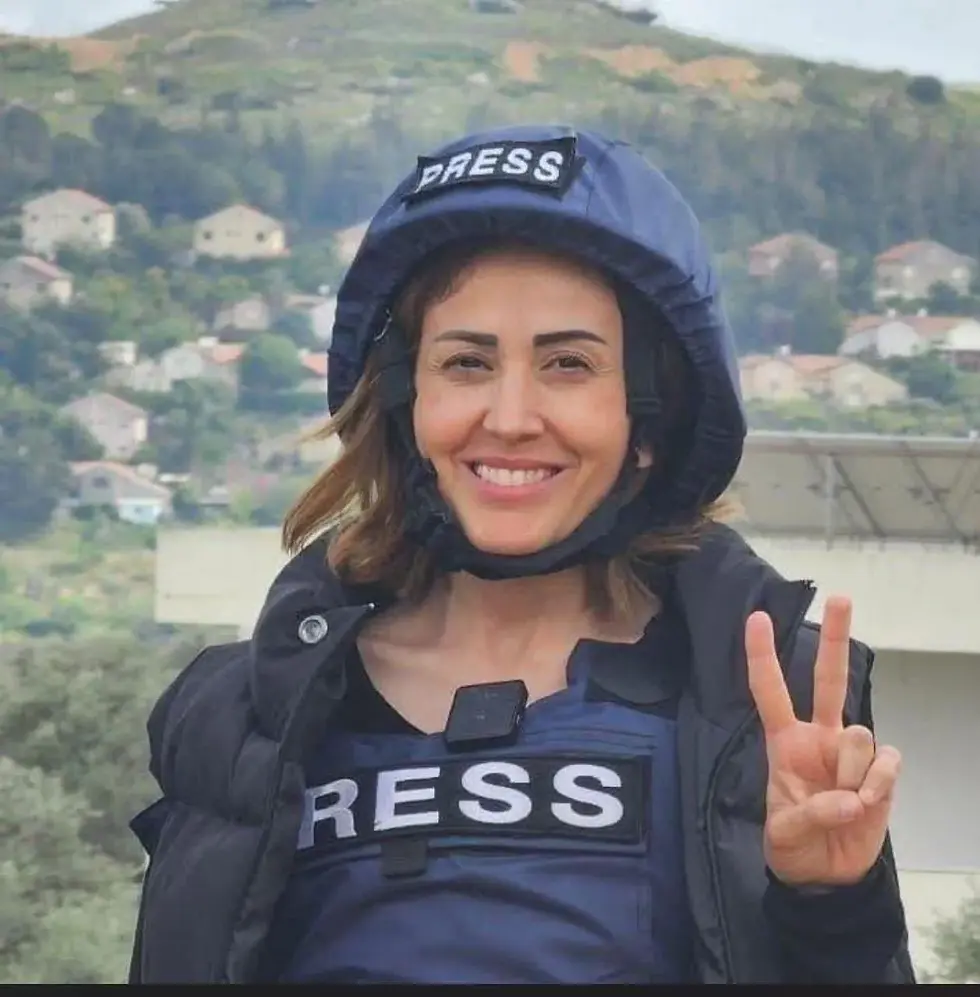
Amal Khalil didn’t just “die in conflict.” She was a veteran field reporter—two decades covering southern Lebanon, one of the few journalist who lives inside the story instead of visiting it. A few hours ago, she was out reporting. A strike hit nearby. She and a photographer ran into a house to take cover. Then that house got hit.
That’s not chaos. That’s sequence.
Strike. Movement. Shelter. Second strike.
And while she’s buried under rubble, there are reports rescue crews are delayed—blocked, stalled, unable to reach her in time. That detail matters, because it shifts this out of the realm of “wrong place, wrong time” and into something much harder to explain away cleanly.

But this isn’t about one journalist. It’s about how familiar this has started to feel.
Because the script doesn’t change:
“We don’t target journalists.”
“The real target was a militant.”
“They were in a restricted zone.”
“It’s under review.”
Different incident, same language. Every time.
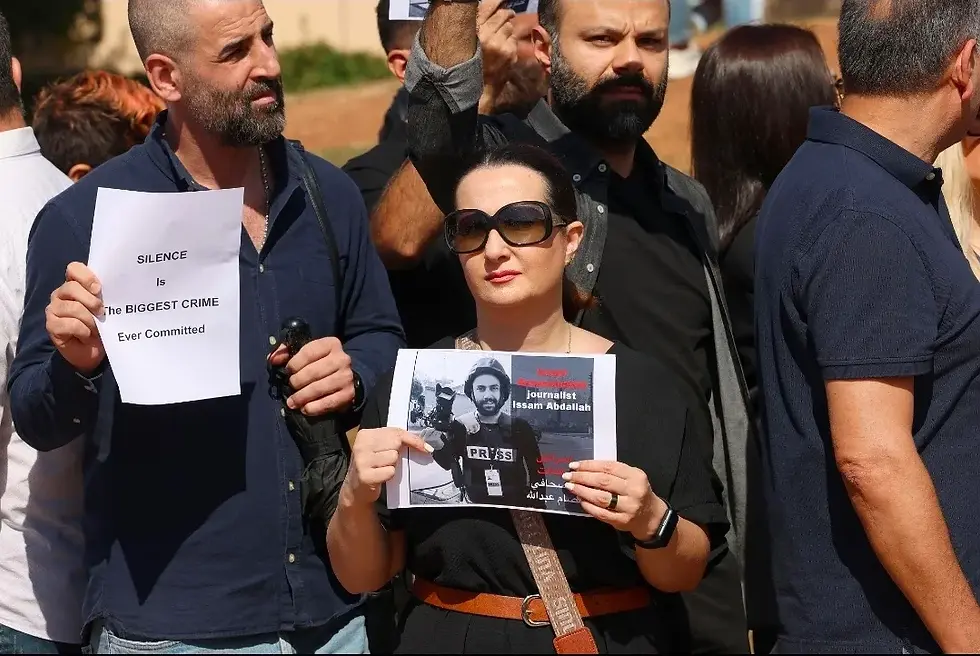
Look at just this year in Lebanon:
Ali Shoeib — killed March 28. Israel says he was Hezbollah intelligence. No public evidence presented.
Fatima Ftouni — killed in the same strike.
Mohammed Ftouni — same strike.
Mohammad Sherri — killed March 18 in a residential building in Beirut.
Hussain Hamood — killed days later in another strike.
A broadcaster killed in her own home in April.
Amal Khalil, April 22.
AP puts the total at nine journalists killed in Lebanon this year alone.
Nine.
Zoom out one level and it gets worse. The Committee to Protect Journalists reported that 2025 was the deadliest year for journalists ever recorded—129 killed, with Israel responsible for the majority.
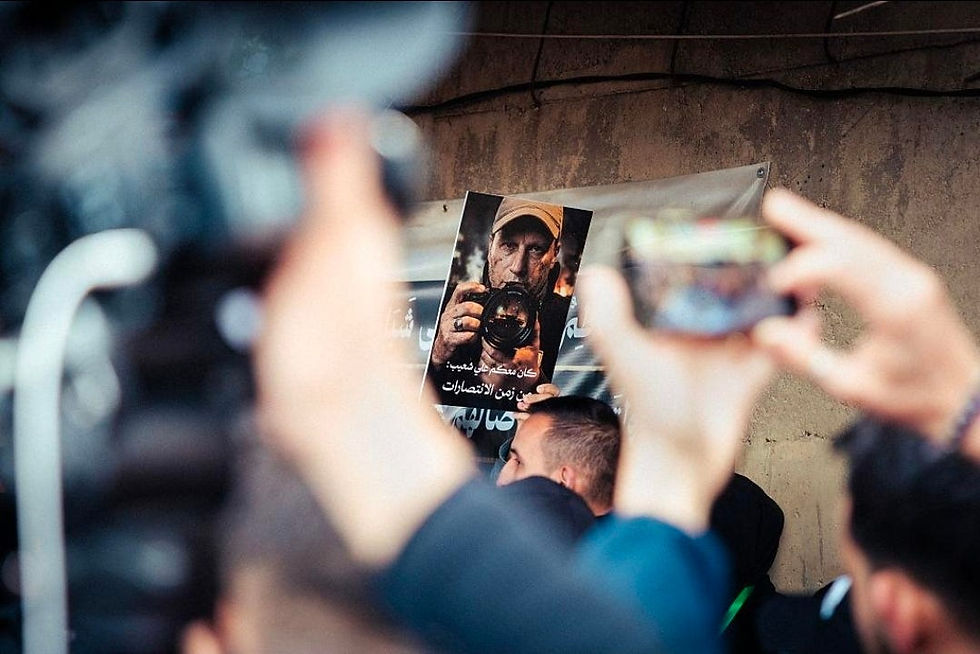
Now here’s where people get uncomfortable: this isn’t about whether war is dangerous. Of course it is. This is about whether the same explanation keeps showing up after journalists die—and whether that explanation actually holds up.
Because under international law, journalists are civilians. Not “civilians unless we don’t like their coverage.” Not “civilians unless they’re inconvenient.” They’re protected unless they’re directly participating in combat. That’s a high bar.
So when Ali Shoeib is labeled “intelligence,” where’s the proof?
When a house full of reporters gets hit, what was the target?
When a journalist runs from one strike into a building that gets hit next, what exactly are we calling that?
Go back a little further.
Shireen Abu Akleh — shot in 2022 while clearly marked press. First it wasn’t Israel. Then it probably was, but accidental. Then no charges.
Issam Abdallah — killed in 2023. UN findings say the journalists were clearly identifiable, no crossfire. Still no accountability.
This is the part people don’t want to say out loud: if the explanation keeps shifting and the accountability never arrives, then the explanation isn’t the point.
The outcome is.
And the outcome is consistent—journalists dead, narratives managed, no one held responsible.

That’s not random. That’s a system working exactly as designed.
Now let’s talk about the part Americans pretend is complicated.
Should the U.S. sanction or divest over this?
If we’re being honest—yes. If any other country had this volume of journalist deaths, this pattern of disputed strikes, and this level of non-accountability, sanctions would already be on the table. That’s not radical—that’s standard foreign policy behavior.
But policy only works when power wants it to.
Under Donald Trump? With Benjamin Netanyahu?
That’s not happening.
There’s no pressure campaign coming. No serious accountability push. No strategic distancing. This isn’t even a complicated geopolitical balancing act right now—it’s alignment. Full stop.
So when people talk about consequences, understand what they’re actually asking for: a system to act against itself.
That’s not how power behaves.

What you’re watching instead is something much simpler.
Journalists keep getting killed.
The explanation keeps getting recycled.
The investigation keeps going nowhere.
And the country with the most leverage keeps calling it “complex.”
It’s not complex.
It’s consistent.
And Amal Khalil is what that consistency looks like when it finally gets a name.



Comments