“This Wasn’t Just a Shooting—It Was a Market Opportunity”
- reignitedtheseries
- Apr 27
- 3 min read

by Ken Oswald “__yak” Vann, Jr.
Saturday, April 25, 2026

This isn’t about a random act of violence as much as it is about what happens when you put a price tag on disruption.
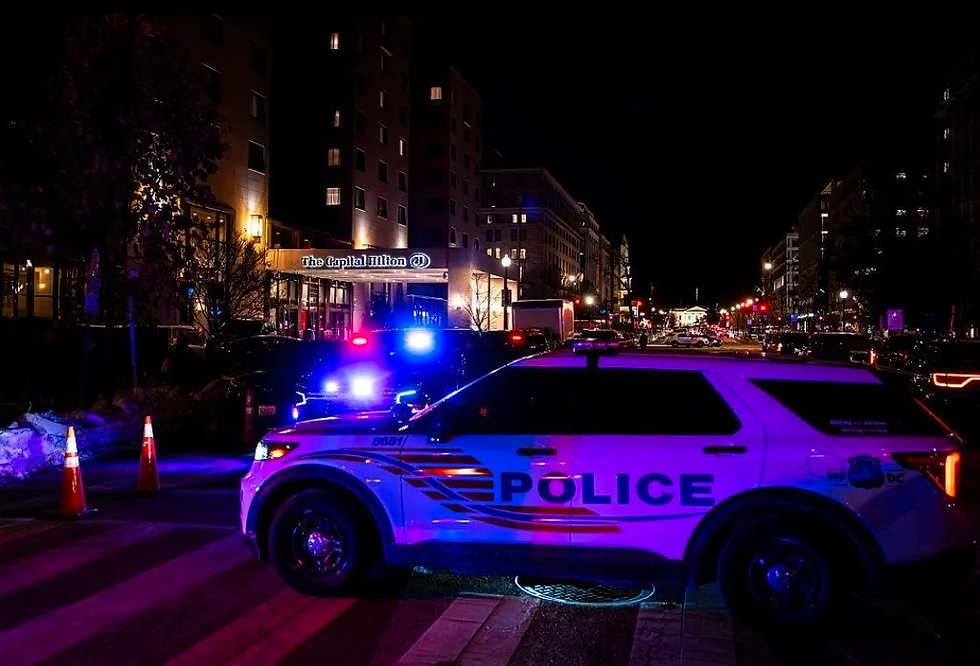
I, personally, am not going to expend a single brain cell trying to process the White House Correspondents’ Dinner shooting because to me, it’s already become just another headline. Guy shows up, Cole Tomas Allen, weapons, chaos, Secret Service moves, event gets shut down. End of story.
But wait, nah.
That’s the surface, but I’m an old school conspiratorial revolutionary negro—I investigate systems.
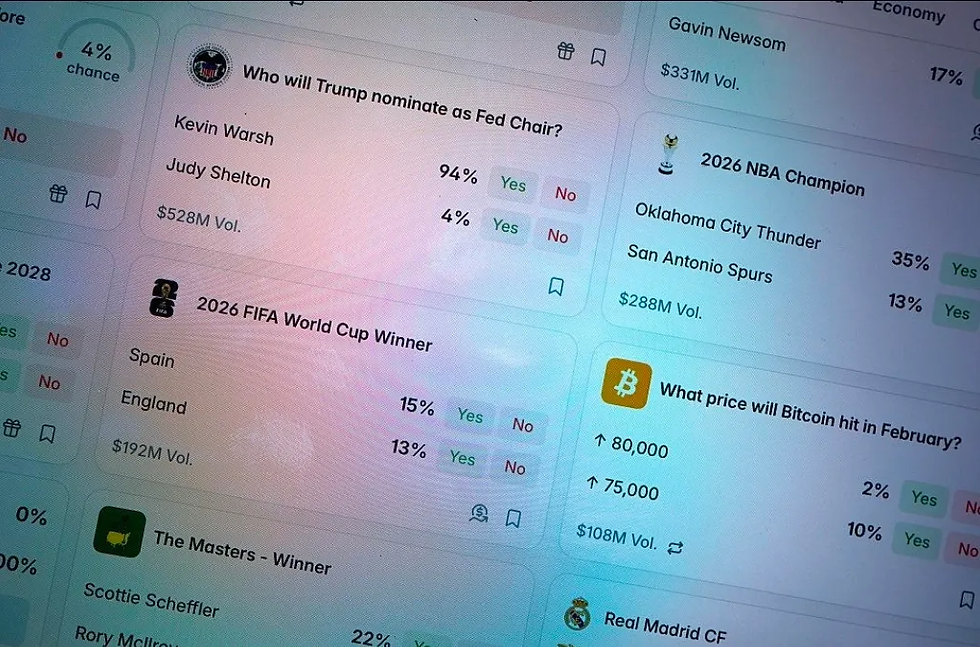
Because sitting right next to that “incident” is something nobody’s lining up in the same frame: Polymarket and other “prediction markets" had over a hundred active bets tied to that exact event. Same night. Same timeline. Real money.
One of those bets, this is where sh—t gets uncomfortable for any rational person like myself, was literally about what Donald Trump would say during the dinner.
Not whether the event stays intact.
Not whether the speech happens clean.
Just…what words get said.
Which sounds harmless until you actually think like somebody trying to win because the rule isn’t “he must perform.” The rule is: did he say the words?
And if he doesn’t?
If the speech gets cut short…
If the event gets disrupted…
If everything goes sideways before he really gets going…
All those contracts quietly flip to No.
And “No” pays.
Before anybody gets defensive, I am not saying Allen placed bets. There is zero confirmed evidence tying him to any prediction market, wallet, or trade.
I don’t need that to see the problem because this isn’t about proving his motive. This is about exposing the incentive structure we’ve built.
People think prediction markets are about forecasting.
They’re not.
They’re about pricing outcomes, and once you price an outcome, especially a fragile one like a live event, you introduce a new variable...somebody can make money if that outcome fails.
That’s not abstract. That’s systematic.
You don’t need a conspiracy.
You don’t need coordination.
You just need: a public event, a known payout condition, and one person willing to break the flow. That’s it.
That’s the whole system.
What kills me is how people keep pretending incentives don’t shape behavior, “Man, that would be illegal.”
Yeah. And?
So is insider trading. So is market manipulation. So is a whole list of profitable behavior that somehow keeps happening.
We don’t build systems around what people are allowed to do; we build them around what people are tempted to do, and right now, we’ve built a system where real-world disruption, actual f–ckin' chaos, can be financially rewarded if you position yourself correctly.
High-profile event✔️ Clear timing✔️ Clear rules on what triggers payouts✔️
Then suddenly—disruption so severe the entire event collapses before it can play out normally.
You don’t have to reach to see the alignment.
You just have to not be naive about it.
Now watch how fast the narrative gets cleaned up: “Lone actor.” “Unclear motive.” “Random.”
That language isn’t just descriptive—it’s protective because the second you ask whether money, even indirectly, could intersect with this, now the conversation shifts from who did it to what kind of system did we build.
Here’s the part people really don’t want to sit with:
Even if this had nothing to do with a bet—nothing at all—we’ve still created a marketplace where the logic makes sense.

Where somebody, somewhere, could look at those contracts and think, “If this doesn’t happen, I get paid.”
That’s enough.
That’s all it takes for a bad idea to become a real one.
I’m not saying this was a prediction market play. I’m saying we’ve built a system where it wouldn’t be surprising if it was, and once you get to the point where chaos has a payout attached to it…
It’s not a matter of if somebody tries to cash in.
It’s a matter of when.


Comments