“TMZ Already Told You What Happened—The Problem Is, They Don’t Actually Know”
- reignitedtheseries
- Apr 20
- 4 min read

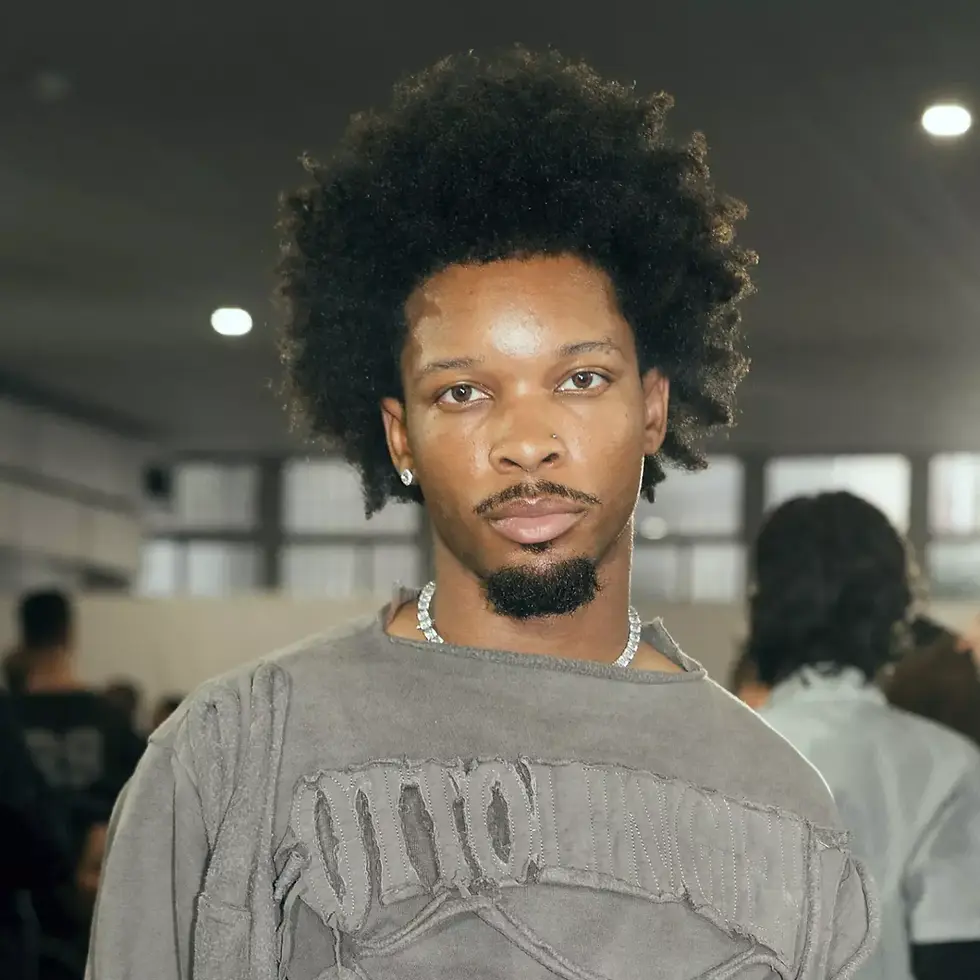
David Burke, D4vd, is in custody, waiting to find out what the state can actually prove about what happened to Celeste Rivas Hernandez—and somehow, the public already thinks it knows the whole story and are wondering what's taking so long to put this yn in jail.
That should bother you.
Here’s the reality most people are skipping past: this case is not open and shut. It’s not clear. It doesn’t move from disappearance to death to arrest in some Criminal Minds episode. It moves like most real investigations move—slow, uneven, full of gaps, and heavily dependent on what can actually be proven rather than what feels obvious.
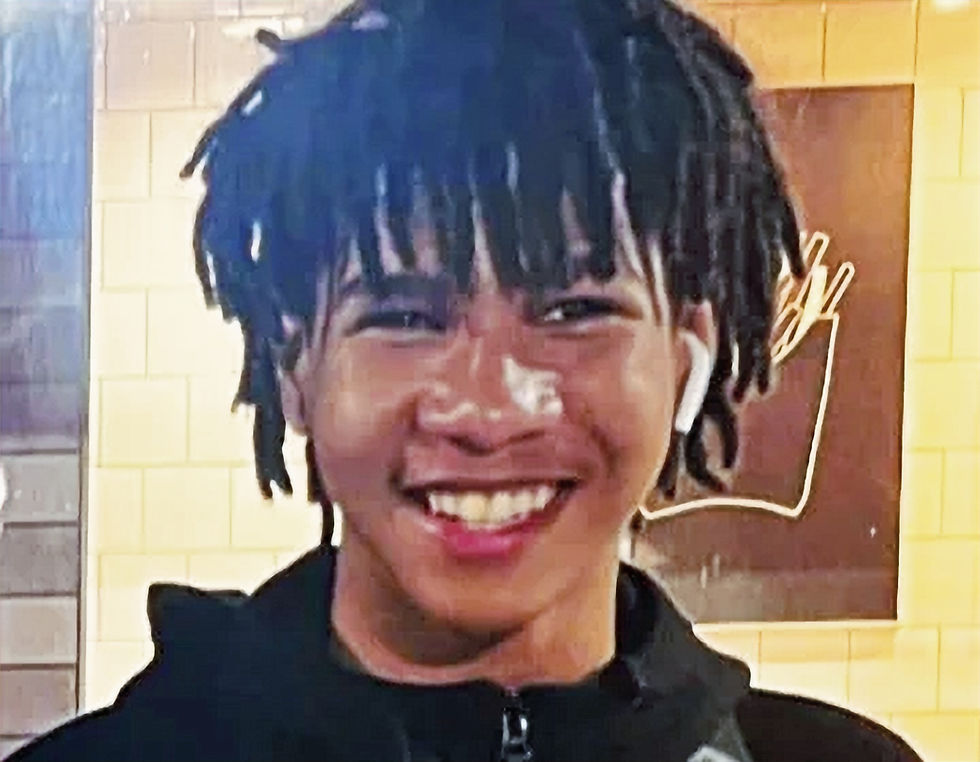
Celeste disappears in May 2024. She’s reported missing quickly, and everything publicly available suggests her family did what families are supposed to do—search, report, cooperate. There’s no credible narrative of neglect or indifference, which means right away this isn’t one of those cases people can casually explain away to make themselves comfortable.
Then comes the surveillance footage.

A neighbor’s camera captures a figure in the area around the time she vanished. And almost immediately, that clip becomes a psychological anchor for the entire case. People decide it’s her—not because it’s been definitively confirmed, but because it feels close enough to lock onto. That’s how the brain works. Give it something blurry and emotionally loaded, and it will sharpen it for you.
The problem is that “believed to be” quietly turns into “last seen,” and once that shift happens, the timeline people are working with stops being factual and starts being constructed.
Then it gets even less stable.
There are claims—never verified—that she may have been seen again around September 2024, possibly near her family home on her neighbors Nest camera. If that were confirmed, it would fundamentally change the case, because it would mean she wasn’t continuously missing in the way people assume.
But there’s no official record showing she was located, no public confirmation that the missing-person status was cleared, and no investigative reset that reflects that kind of development. So now we’re not dealing with a timeline—we’re dealing with competing versions of reality without any hierarchy of truth.
That’s where things should slow down, but instead, they speed up.
Fast forward to September 2025, when her body is found in the trunk of a Tesla connected to D4vd.
The body is severely decomposed. The cause of death has not been publicly confirmed. The time of death is estimated, not precise. Key forensic details are sealed. In other words, the most important questions: how she died, when she died, and what exactly happened in her final moments are still unresolved.
And then there’s the question everybody asks like it’s a gotcha: “Don’t Teslas have cameras?”
Yes, Tesla vehicles are loaded with them. External cameras, internal systems, data logging. In theory, it sounds like the kind of technology that should eliminate ambiguity.
So where’s the footage?
Where’s the clip of someone putting her in the trunk?
The answer is simple, and people don’t like it: there is no publicly confirmed footage showing who placed her body in that vehicle. If there were something clean, clear, and prosecutable, it would almost certainly be central to the narrative already. Instead, what we’re seeing suggests the case is being built through association, reconstruction, and circumstantial linkage—not a single, undeniable visual moment.
And this is where the conversation expands beyond one person, and names like Neo Langston surface, not as confirmed accomplices or charged co-defendants, but arrested and questioned by police in connection to this investigation, followed by social media antics. People questioned, examined, connected through proximity, movement, or association. That’s how real cases work. They widen before they narrow.
But the public doesn’t like wide. Wide feels uncertain.
Enter TMZ.
Not as some comic book villain, but as a perfect example of how modern media incentives shape perception. TMZ doesn’t need to invent facts; it just needs to arrange them. It takes fragments—an unconfirmed sighting, a missing timeline, a high-profile arrest—and gives them sequence. Beginning, middle, end. It smooths out the rough edges until the story feels coherent enough to believe.
And once that structure is in place, it becomes the lens through which everything else gets interpreted.
There is no publicly verified, clearly defined relationship between David Burke and Celeste Rivas Hernandez that has been confirmed by investigators or reliable reporting. What has been established is limited to association through the vehicle and the investigation itself, not a documented personal, familial, phone record, social media, or ongoing relationship prior to her disappearance. But according to TMZ, that was his girlfriend, though that has yet to be substantiated by any evidence whatsoever.
We’ve seen this pattern before. Look at cases like Nancy Guthrie, where early narrative pressure and aggressive framing didn’t produce clarity—they produced noise. The case got louder, but not sharper. The public felt more certain, even as the underlying facts remained unresolved.
That’s not a coincidence. That’s how the system behaves.
Because here’s the contradiction nobody wants to sit with: we live in a time with more cameras, more data, and more connectivity than ever before, and yet we’re still dealing with cases where the core timeline is fractured and the central facts are incomplete.
Technology doesn’t eliminate uncertainty—it just gives people the illusion that uncertainty shouldn’t exist.
So when it does, the media fills the gap. Not with lies—just with confidence. And that’s how we end up here.
A 14-year-old girl is dead. A suspect is in custody. The investigation is still unfolding. And the public is already speaking in conclusions, as if the hardest questions have been answered:
What happened between May 2024 and the estimated time of death?
Why is the timeline still unstable?
Where is the definitive, uncontested chain of events?
Was she even murdered?
Those are the questions that actually matter, and right now, they don’t have clean answers.
So if you feel certain about what happened to Celeste Rivas Hernandez, understand what that certainty is built on a structure: assembled from fragments, reinforced by media, and repeated until it feels like truth.
And once that structure presents itself early, the investigation isn’t just trying to find answers—when the story gets told too fast, the truth doesn’t just get buried…it gets replaced.



Comments