“Spirit Wasn’t the Story. It Was the Warning.”
- reignitedtheseries
- May 1
- 4 min read

Updated: May 4
by Ken Oswald "__yak" Vann, Jr.
Friday, May 01, 2026
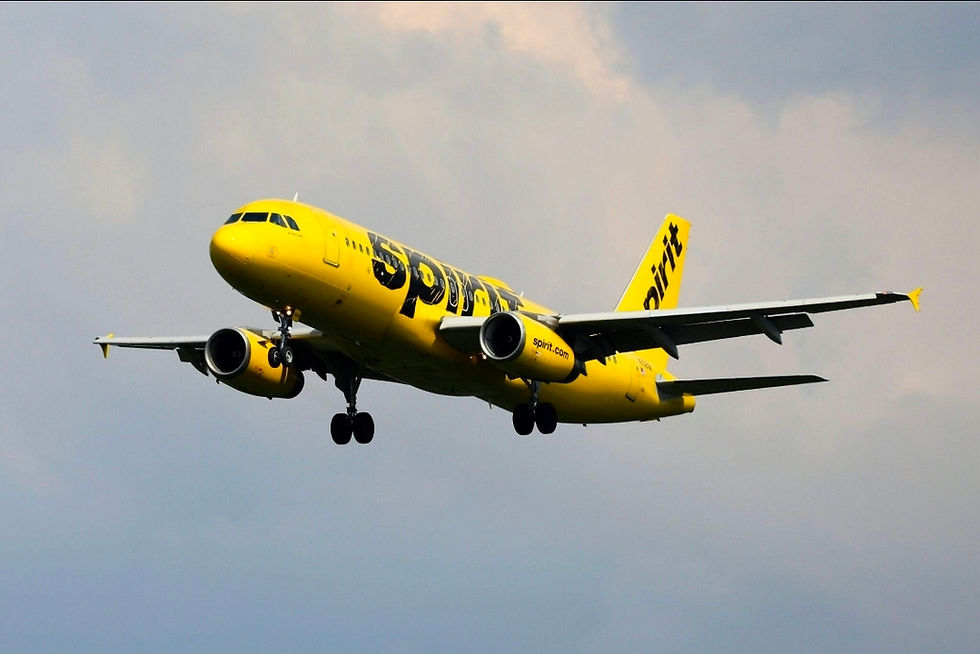
…people keep talking about Spirit Airlines like it’s some weird, isolated collapse—like a budget airline just randomly ran out of runway. That’s not what this is. This isn’t about Spirit. It’s about fuel. It’s about policy. It’s about what happens when you destabilize the input everything else quietly depends on and then pretend the fallout is surprising.
This sh-t was not that hard to see coming.
Fuel doubled. Not gradually, not predictably—fast as f-ck, faster than we were led to assume. And Spirit, by design, runs on assumptions. Cheap fares, tight margins, make it up on volume and fees. That only works when your biggest cost stays within a range you can plan around. That range is long gone.
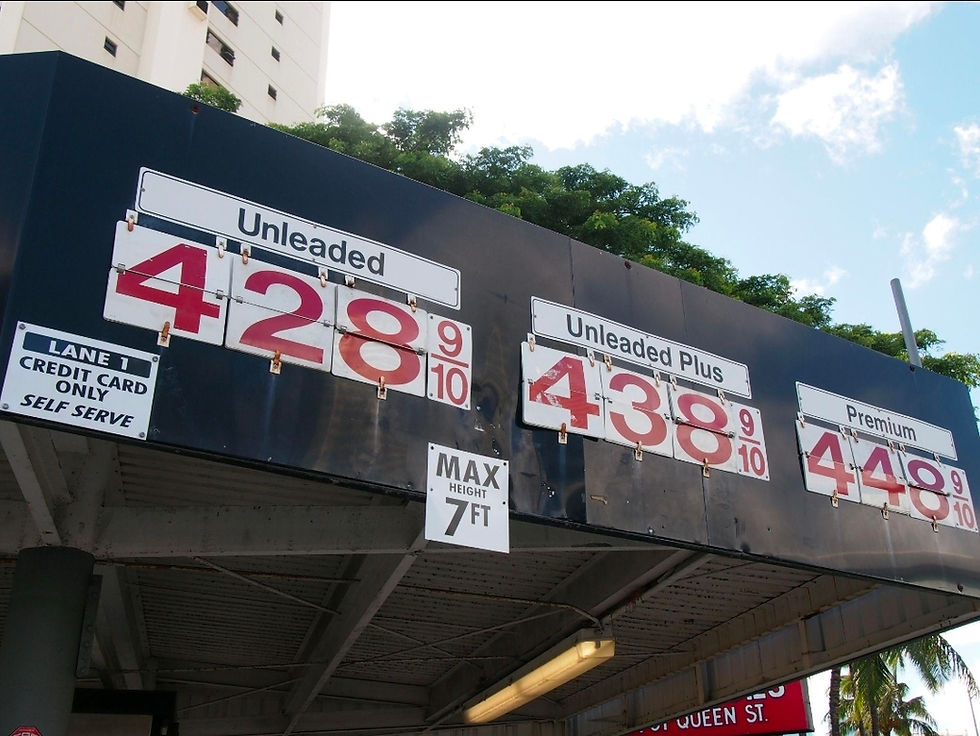
So now you’ve got a company built for one version of reality trying to survive in another—and people are calling it a failure of the airline instead of what it actually is: a mismatch between policy decisions and economic consequences, and that’s the part that keeps getting skipped.
This sh-t doesn’t just “happen.” We escalated tensions with Iran, negotiations drifted into half-measures, pressure showed up exactly where the system is most sensitive, and suddenly one of the most important oil chokepoints in the world became unstable. That’s not background noise—that’s the main variable.
Iran hasn’t been subtle about how it sees that leverage. Messaging tied to Ali Khamenei and senior officials has been consistent: pressure the Strait, expect disruption. You don’t get stable markets without stable agreements. That’s not a threat—it’s structure.
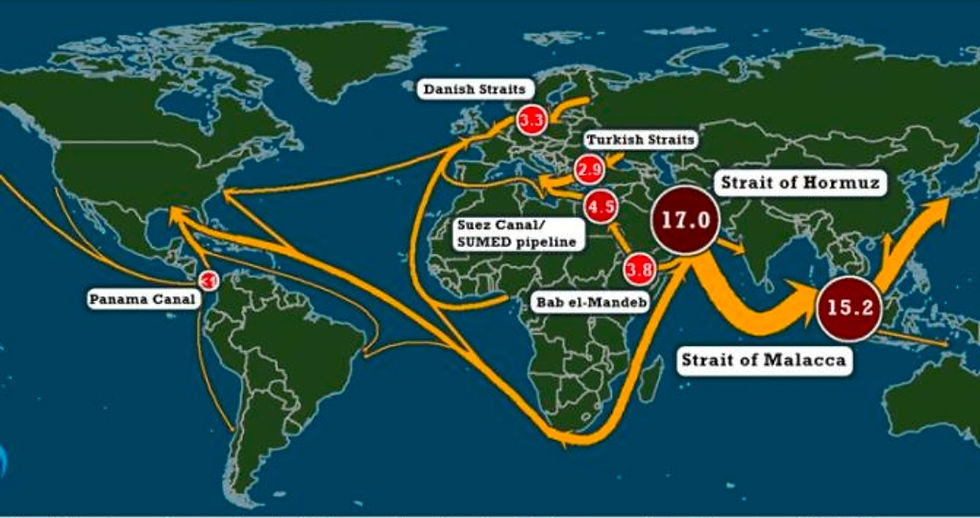
So oil spikes. Gas follows. Jet fuel follows. And Spirit becomes the first visible crack, but it doesn’t stop at airlines. That’s just where you notice it first.
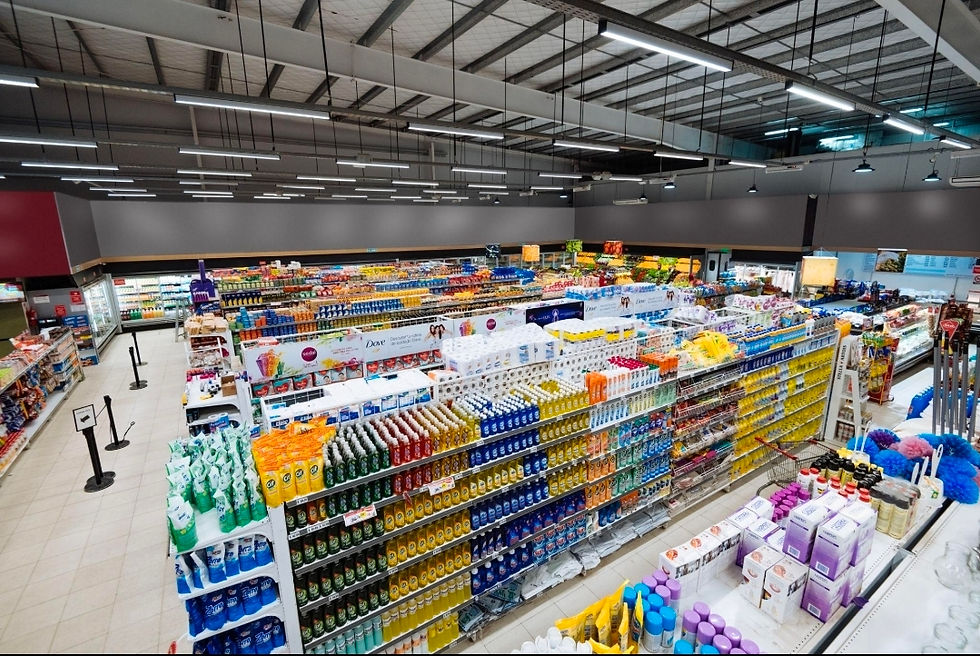
Diesel moves everything. Groceries, packages, construction materials, inventory sitting on shelves—it all rides on the same underlying cost structure. So when oil jumps, what you’re really watching is pressure ripple outward across the entire economy. Some companies can pass it through. Some can absorb it. Some just break.
And here’s where it gets real heading into midterms—because there isn’t one outcome. There are three, and none of them look clean.

If a real deal somehow lands—an actual agreement, not a headline—things stabilize. Oil comes down, gas eases, but not immediately. Prices don’t rewind, they plateau. Spirit might survive in a reduced form. The administration calls it a win. But your cost of living doesn’t drop back to where it was—it just stops getting worse. That’s not relief, that’s containment.
The more likely path is managed chaos. No full war, no real resolution—just sustained tension that never fully clears. Oil stays elevated, gas stays expensive enough to matter, and businesses quietly pass costs downstream. Shipping goes up. Grocery bills creep. Restaurants feel lighter. Credit cards get heavier. Spirit either disappears or shrinks into something unrecognizable, and the messaging shifts to resilience. “We’re navigating global conditions.” Translation: everything costs more, just not enough all at once to force a response.
And then there’s the version nobody wants to say out loud.
The one where pressure actually breaks something bigger.
Ceasefire collapses. Shipping tightens. Oil spikes again. Now you’re not talking about inconvenience—you’re talking about compression turning into failure. Gas pushes toward $5. Diesel drags everything with it. More companies start wobbling—not just airlines, but trucking firms, small manufacturers, regional operations that don’t have room to absorb volatility.
And at that point, the question changes.
It’s no longer “what happened to Spirit?”
It’s “who gets saved next?”
Because once you start picking winners—airlines, logistics, banks—you’re not managing a market anymore. You’re managing fallout.
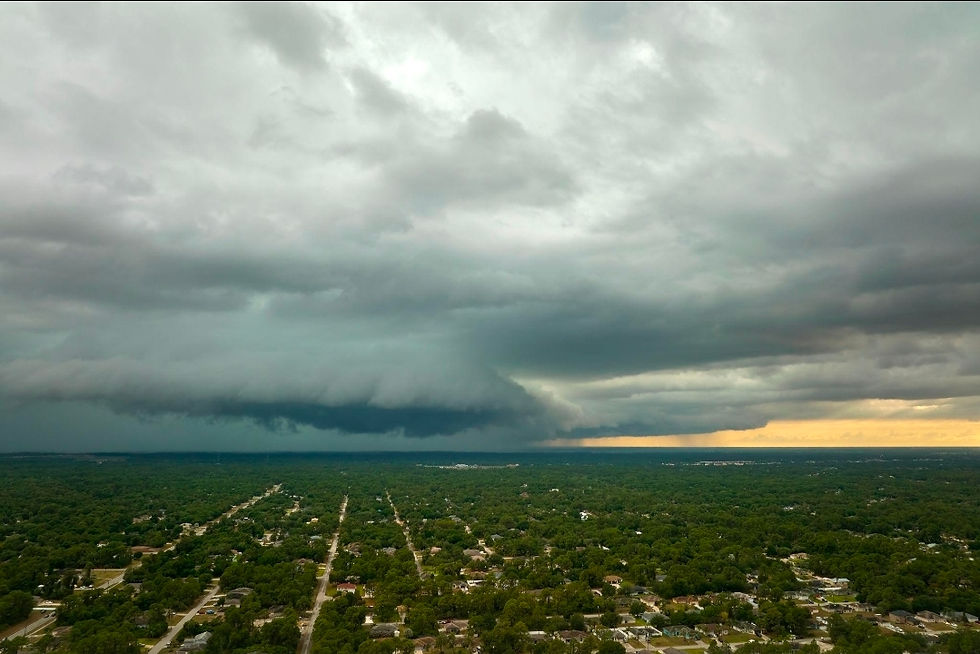
And if we’re being honest, I don’t have confidence in how that gets handled. Not because it’s complicated—but because it requires discipline, consistency, and a willingness to connect cause and effect in public. That hasn’t been the approach. I don't think anyone in this administration is the slightest bit capable of any of those things. What we’ve seen instead is escalation followed by improvisation, pressure followed by messaging, decisions made in fragments and explained in headlines.
That works fine when the system is stable.
It doesn’t work when the system is under stress.
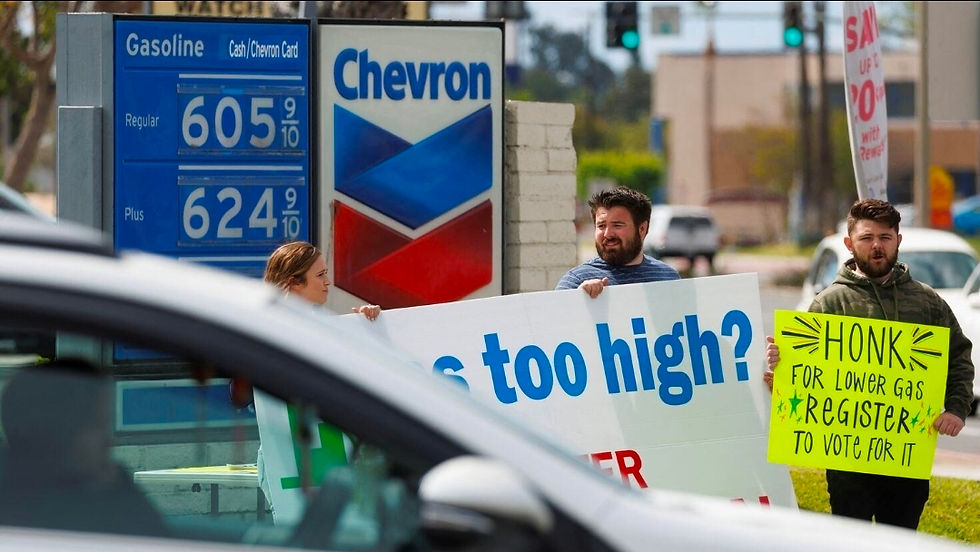
Spirit is just the first place the stress became visible. Not the failure—the warning. Because this is how systems behave under pressure. One thing gives, then another, then another—and suddenly it’s not about one company anymore.
So no, this isn’t about a budget airline.

It’s about what happens when you treat a global supply system like it doesn’t have consequences, ignore the pressure you’re putting on it, and then act surprised when something gives.
That’s not bad luck.
That’s not timing.
That’s stupidity catching up with us.



Comments